
Best Time for Fire Restorations
Determining the optimal time for fire restorations depends on several factors, including weather conditions, fire seasonality, and property readiness. Typically, fire restorations are most effective during the late spring to early fall when weather is dry and stable, reducing the risk of further damage or delays caused by adverse conditions. Conducting restorations during this period allows for efficient drying, cleaning, and rebuilding processes.
Spring and summer months often provide ideal conditions for fire restoration due to lower humidity and warmer temperatures, which facilitate drying and cleaning.
Avoiding harsh winter weather and heavy rain seasons minimizes delays and complications during the restoration process.
Restorations performed immediately after a fire during peak fire season can help prevent secondary damages such as mold growth or structural deterioration.
Ensuring the property is accessible and safe prior to restoration work can influence the timing, often best scheduled when conditions are stable.
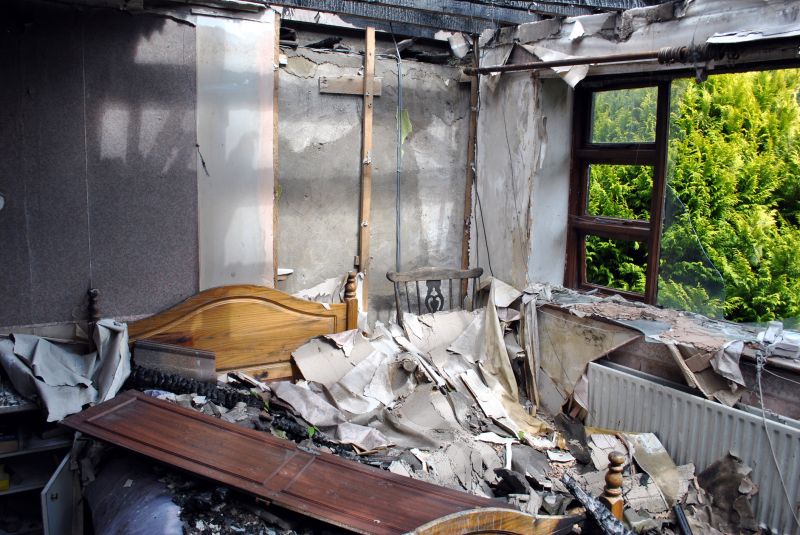
Ways to make Fire Restorations work in tight or awkward layouts.
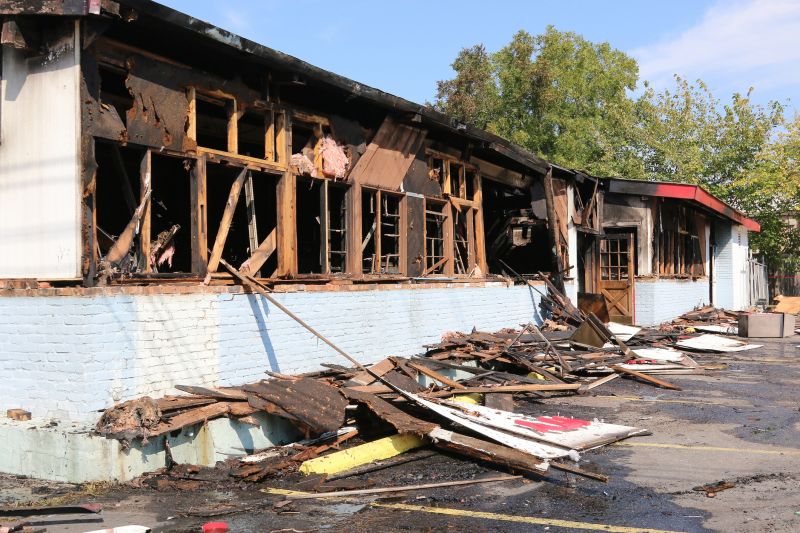
Popular materials for Fire Restorations and why they hold up over time.
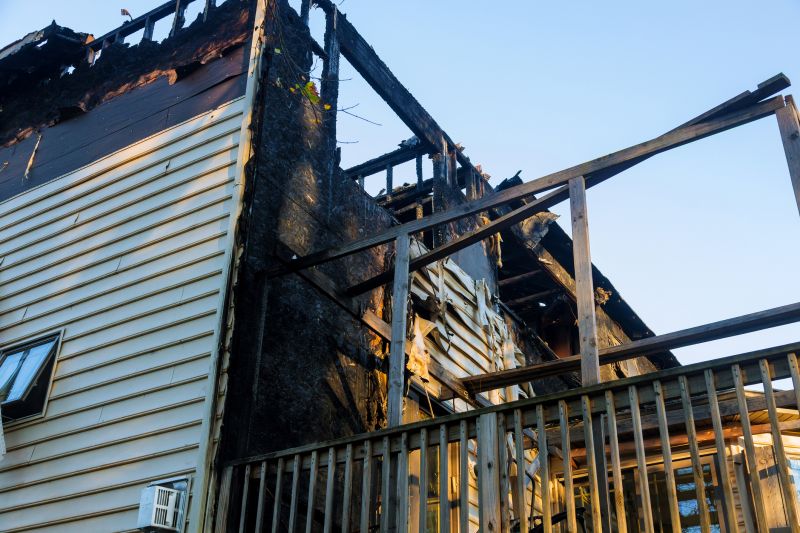
Simple add-ons that improve Fire Restorations without blowing the budget.
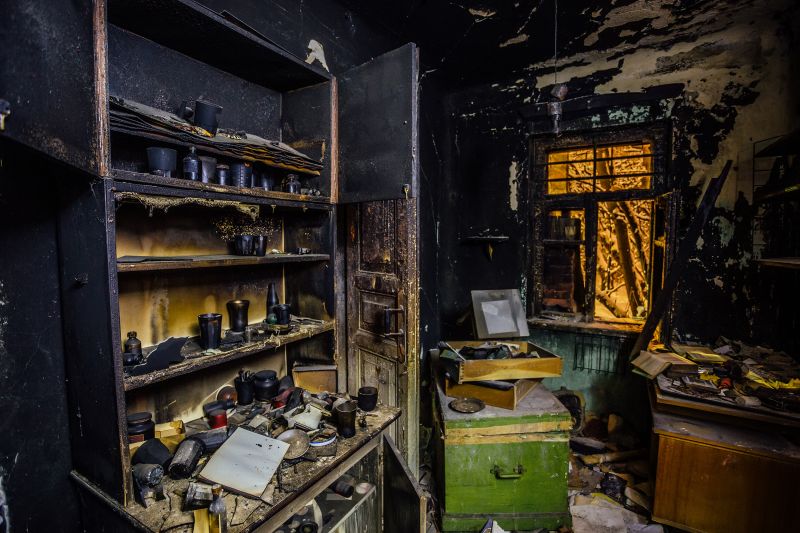
High-end options that actually feel worth it for Fire Restorations.
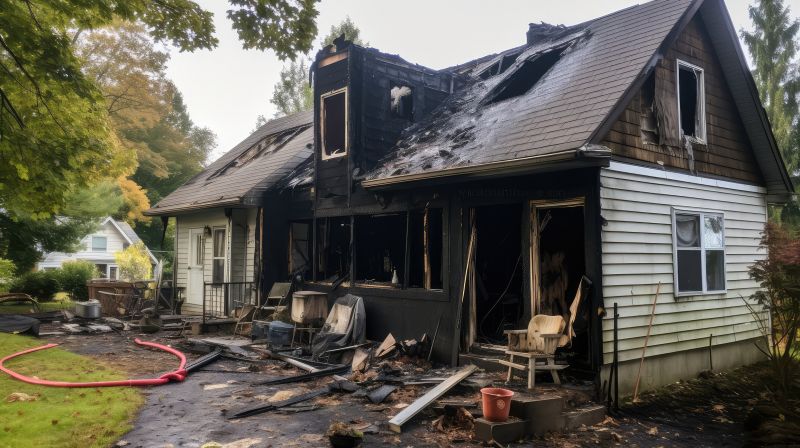
Finishes and colors that play nicely with Fire Restorations.

Little measurements that prevent headaches on Fire Restorations day.
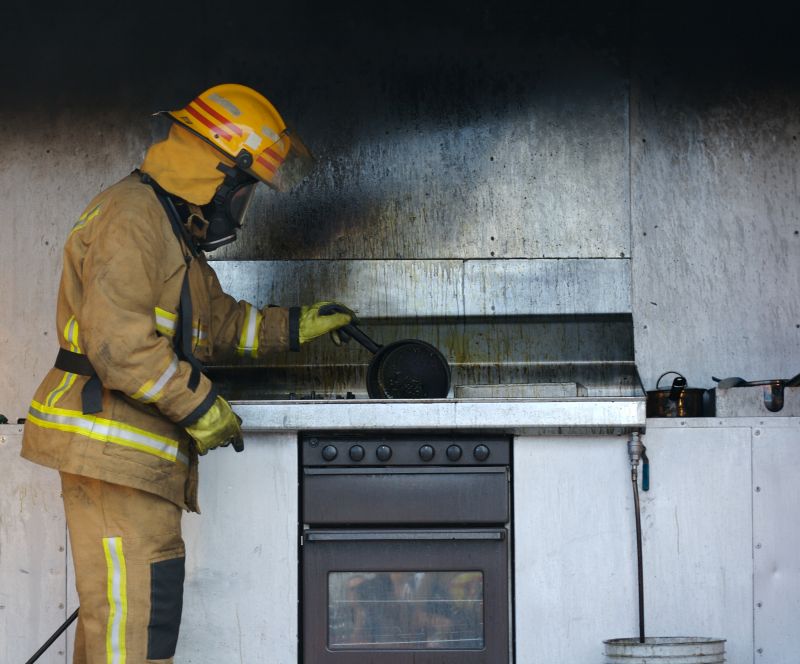
A 60-second routine that keeps Fire Restorations looking new.
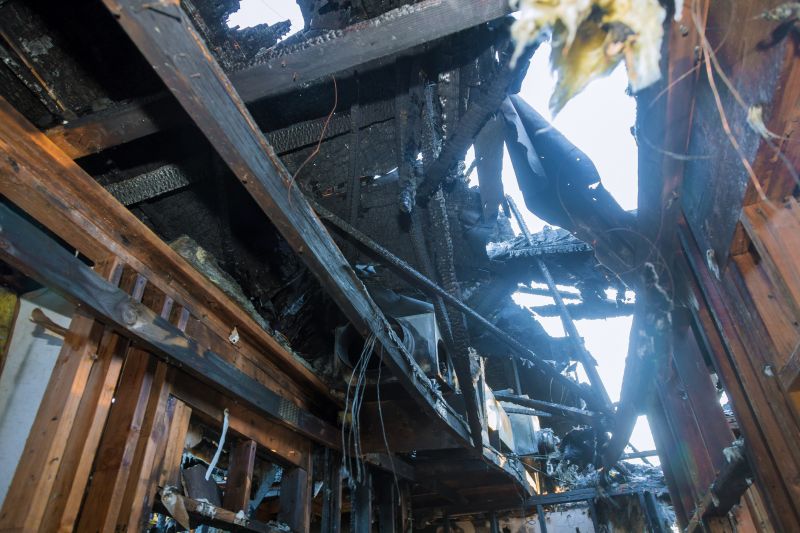
A frequent mistake in Fire Restorations and how to dodge it.
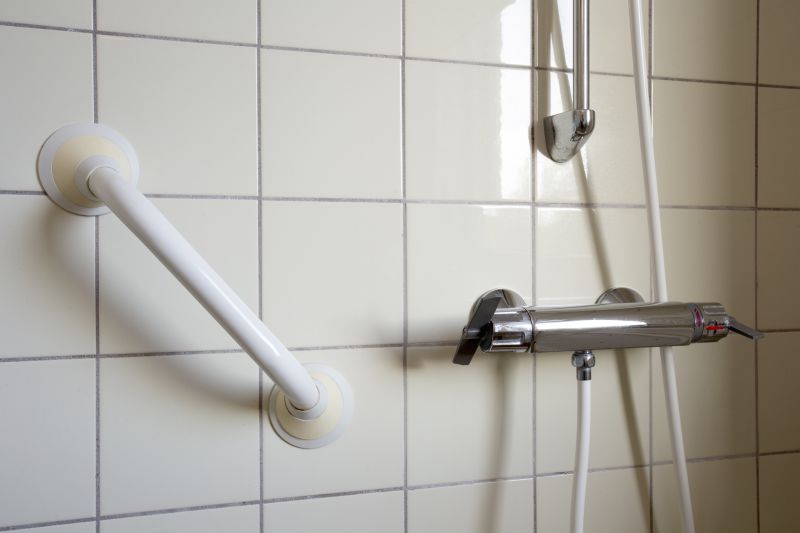
Small tweaks to make Fire Restorations safer and easier to use.
| Aspect | Details |
|---|---|
| Best Seasons | Spring and summer are preferred for optimal drying and cleaning conditions. |
| Weather Factors | Dry, mild weather reduces delays and complications. |
| Fire Season Timing | Immediate post-fire restoration can prevent secondary damages. |
| Property Readiness | Accessibility and safety influence optimal timing. |
| Environmental Conditions | Low humidity and stable temperatures support effective restoration. |
| Scheduling Flexibility | Planning around weather forecasts enhances efficiency. |
Fire restorations involve comprehensive processes to repair and restore properties affected by fire damage. These include removing soot and smoke residues, cleaning affected surfaces, replacing damaged structural components, and addressing secondary issues such as water damage or mold growth. Proper timing ensures these steps are carried out effectively, minimizing long-term damage and restoring the property's safety and appearance.
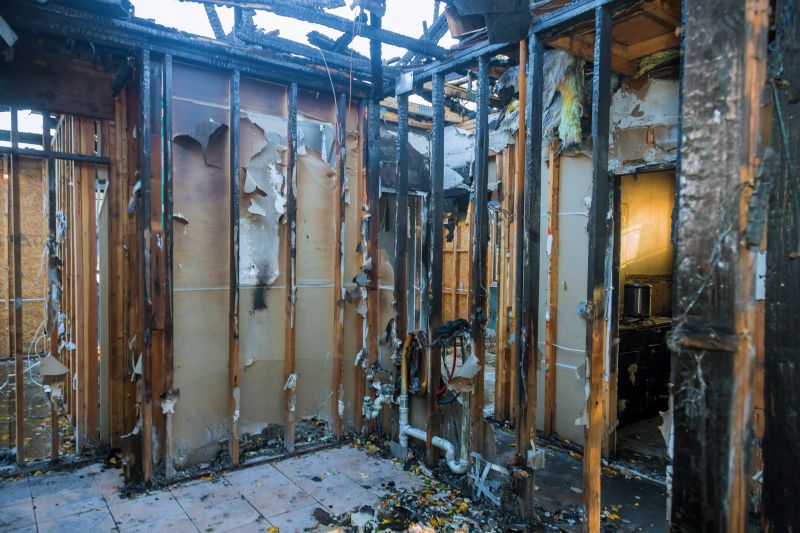
Lower-waste or water-saving choices for Fire Restorations.
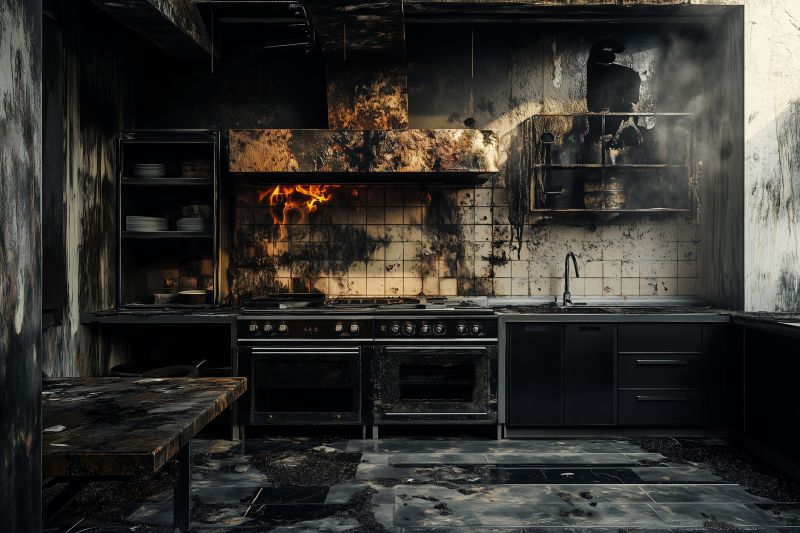
The short, realistic tool list for quality Fire Restorations.
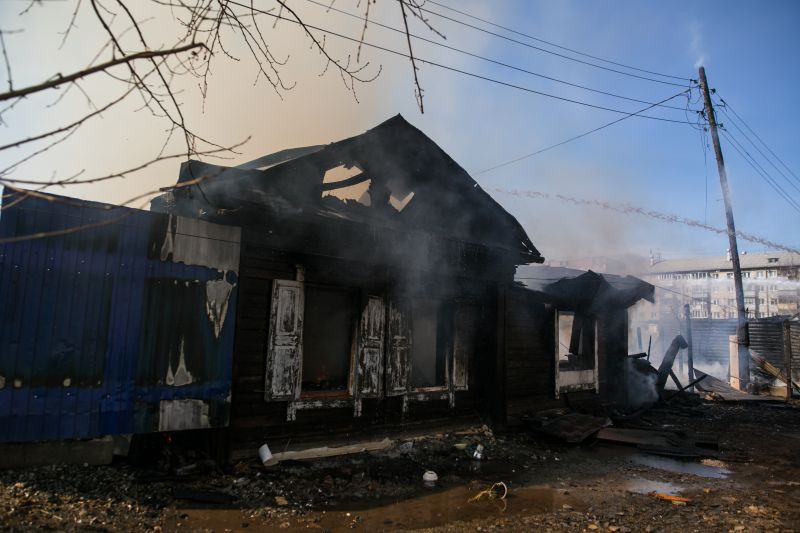
Rough timing from prep to clean-up for Fire Restorations.
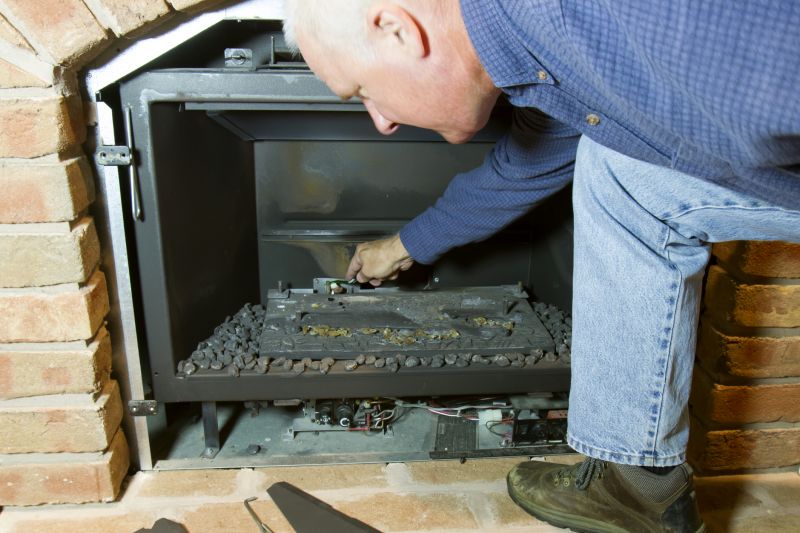
Quick checks and paperwork to keep after Fire Restorations.
Interested property owners in Monroe Township seeking fire restoration services are encouraged to contact for more information. Filling out the contact form can facilitate scheduling assessments and planning the most suitable restoration timeline based on specific needs and conditions.