
Leading Fire Restoration Tools and Products For Professional Results
Equip yourself with top-rated tools and materials designed for efficient and professional fire damage restoration.
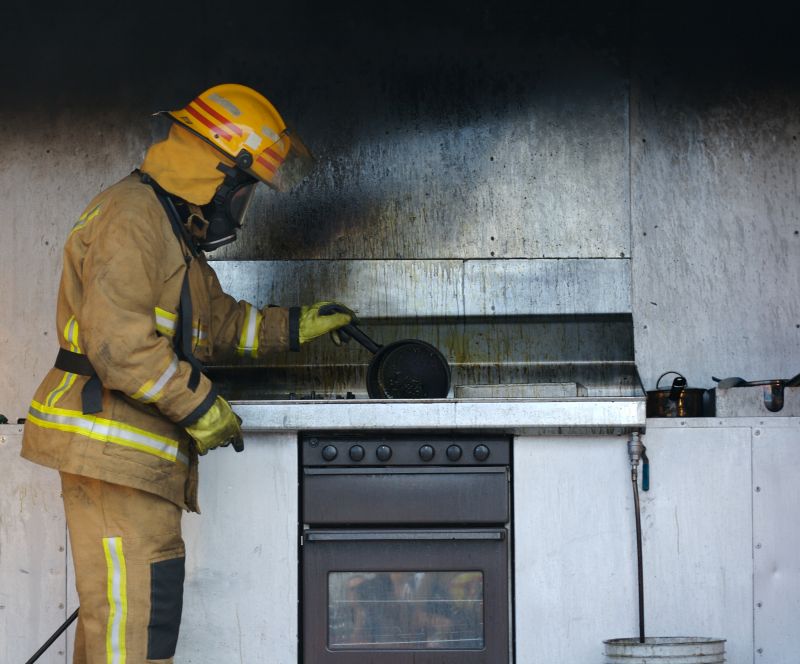 Fire restoration products are essential tools and materials used to address the aftermath of fire damage in residential, commercial, and industrial settings. These products help in cleaning, repairing, and restoring properties affected by smoke, soot, heat, and water used during firefighting efforts. From specialized cleaning agents to structural repair materials, the right selection of fire restoration products can significantly influence the efficiency and effectiveness of the restoration process.
Top Overall Option
Comprehensive Fire Damage Restoration Kit
A well-rounded restoration kit that includes a variety of cleaning agents, sealants, and protective gear designed to address multiple aspects of fire damage. It offers versatility for different surfaces and damage levels, making it suitable for professional use and serious DIY projects alike.
Types of Products For Fire Restorations
Soot and Smoke Cleaners
Specialized solutions formulated to effectively remove soot and smoke residues from walls, ceilings, and furnishings.
Odor Neutralizers
Products designed to eliminate persistent smoke odors and freshen affected areas.
Fire-Resistant Drywall
Durable drywall materials that provide enhanced resistance to heat and flames for structural repairs.
Sealants and Primers
Sealants used to contain smoke stains and prevent odors from penetrating surfaces.
Water Damage Drying Equipment
Industrial dehumidifiers and air movers to thoroughly dry out areas affected by firefighting efforts.
Fire-Resistant Insulation
Insulation materials that resist heat transfer and help restore energy efficiency.
Structural Reinforcement Materials
Steel supports, brackets, and reinforcements used to restore the integrity of compromised structures.
Protective Gear
Personal protective equipment such as masks, gloves, and coveralls for safety during restoration work.
Cleaning Cloths and Sponges
Absorbent and durable cleaning tools for manual removal of residues.
Electrostatic Air Purifiers
Devices that help in filtering airborne soot and smoke particles from indoor environments.
Fire-Resistant Paints and Coatings
Specialized paints that provide additional fire resistance to surfaces after cleaning.
Waterproof Sealants
Sealants used to prevent water infiltration and further damage post-fire.
Industrial Fans and Ventilators
Equipment to improve airflow and accelerate drying processes.
Soot Sponges
Non-abrasive sponges designed to lift soot without smearing or spreading residues.
Fire-Resistant Flooring
Flooring options that can withstand heat and flames, suitable for rebuilding efforts.
Popular Choices
Widely used for removing soot and smoke residues from various surfaces.
Commonly chosen to combat lingering smoke smells effectively.
Popular for their ability to rapidly dry water-affected areas.
Frequently selected for structural repairs in fire-damaged buildings.
Effective in improving indoor air quality during the restoration process.
Commonly used to contain stains and odors before repainting or finishing.
Essential for ensuring safety during restoration tasks.
Popular for preventing future water damage and mold growth.
Chosen for enhancing surface fire resistance after cleaning.
Frequently used to facilitate faster drying and ventilation.
Commonly utilized for manual soot removal without smearing residues.
Selected for rebuilding efforts to improve safety and energy efficiency.
Widely used for manual cleaning and residue removal.
Restoration often begins with soot and smoke removal, requiring a variety of cleaning solutions that can break down stubborn residues without damaging surfaces. Deodorization products are also crucial to eliminate persistent smoke odors that can linger long after the flames are extinguished. Structural repairs may involve fire-resistant drywall, sealants, and reinforcements designed to restore the integrity of compromised structures. Additionally, moisture control products such as industrial dehumidifiers and drying equipment are vital to prevent mold growth caused by water used during firefighting.
Choosing the appropriate products depends on the severity of the fire damage, the types of surfaces involved, and the specific needs of each restoration project. Professionals often utilize a combination of these products to ensure a comprehensive approach that addresses both visible damage and underlying issues. Proper safety gear and protective equipment are also integral to the process, safeguarding workers from hazardous residues and airborne contaminants.
In Monroe Township, NJ, fire restoration companies and contractors rely on a diverse array of products to meet the demands of their projects. Ensuring access to high-quality, effective restoration supplies can make a significant difference in achieving successful outcomes and minimizing long-term damage. Whether for small-scale incidents or extensive property restorations, selecting the right products is a critical step in the recovery process.
Key Buying Considerations
- Assess the severity and extent of fire damage to determine appropriate products.
- Identify the types of surfaces affected to select compatible cleaning and repair materials.
- Prioritize fire-resistant and heat-resistant products for structural safety.
- Consider the level of odor removal needed and choose effective neutralizers accordingly.
- Ensure products are suitable for use in indoor environments and safe for occupants during restoration.
- Evaluate the drying capacity of moisture control equipment to prevent mold growth.
- Check for compatibility of sealants and primers with existing surfaces for effective stain containment.
- Opt for professional-grade products when dealing with extensive damage for better results.
- Review safety data sheets and handling instructions to ensure safe application.
- Determine the need for protective gear and safety equipment to safeguard workers.
- Consider the ease of use and application methods of cleaning and repair products.
- Estimate the required quantity based on the size of the affected area to avoid shortages.
- Research product reviews and ratings to gauge effectiveness and reliability.
- Account for budget constraints while selecting high-quality, durable products.
- Verify that products are compliant with local safety and building codes.